Logistics Service Redesign — imagem de capa

Caltec · 2017

Digital ecosystem connecting drivers, managers and clients to transform the logistics operation of an 80-year-old company

  • Service Design
  • Cross-Platform
  • Mobile
  • Lean UX
Context
Caltec, Brazil's largest dolomite producer with 80 years of history, distributed its products via a fleet of contracted and owned trucks, with no digital tool to manage logistics processes.
Problem
The lack of adequate tools generated inefficiencies, financial losses, product waste and asset damage. Communication with drivers depended on informal channels and freight status wasn't visible in real time.
Approach
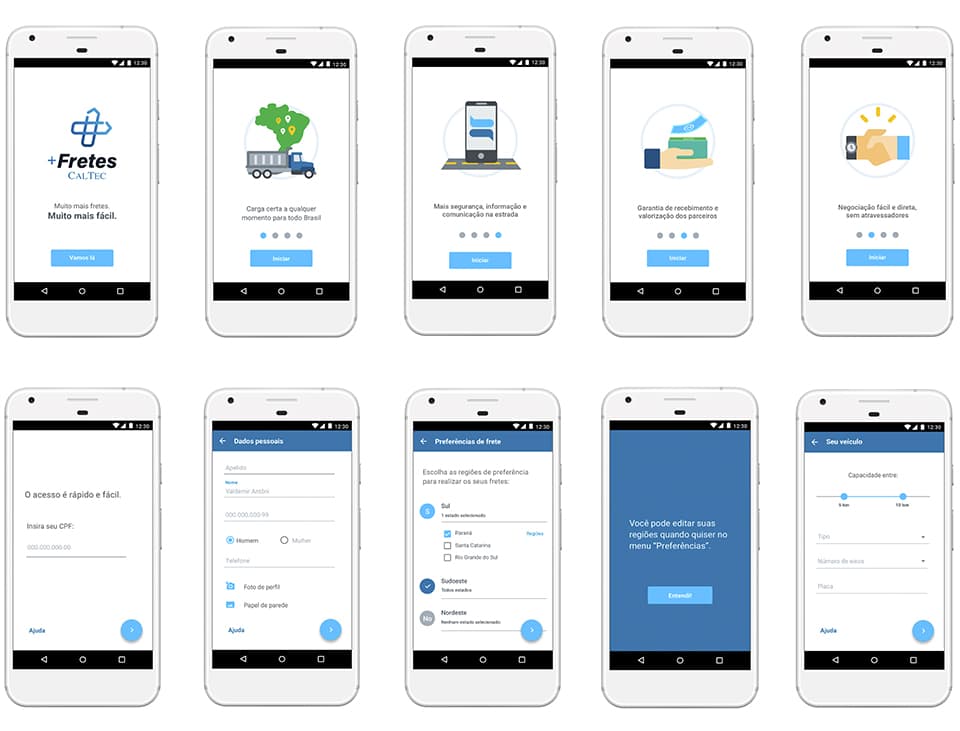
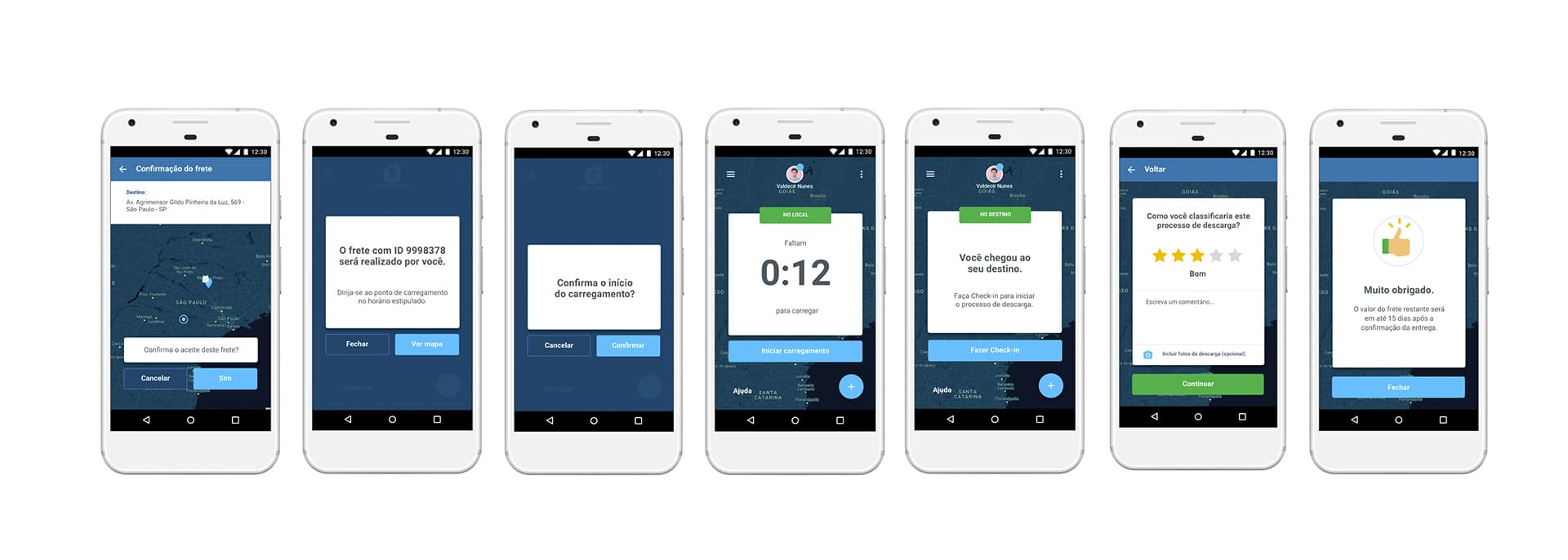
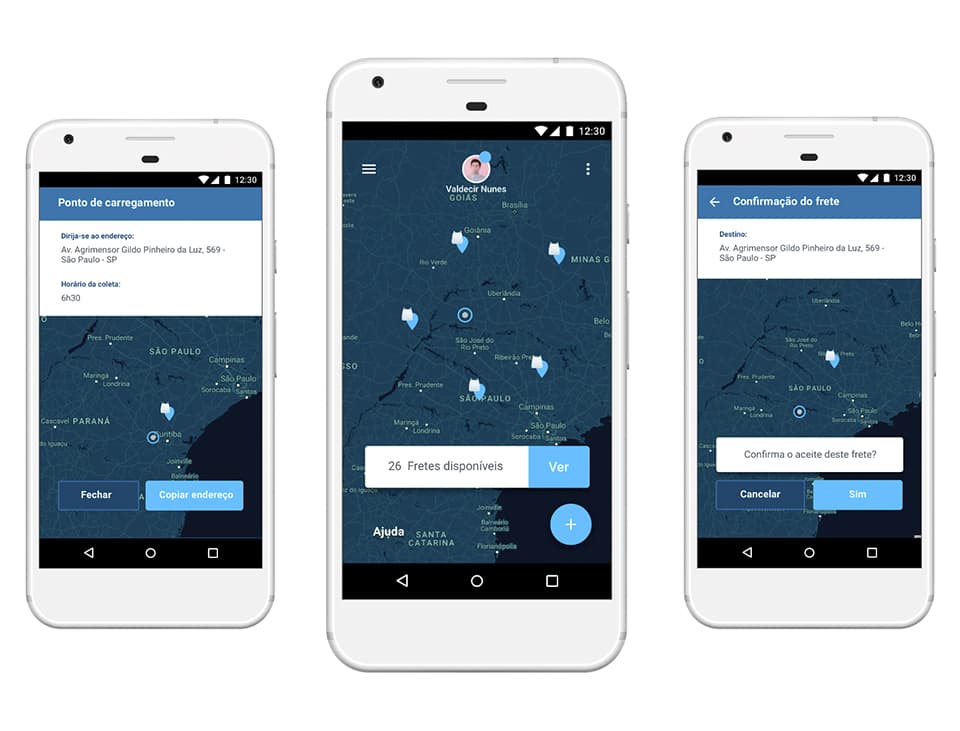
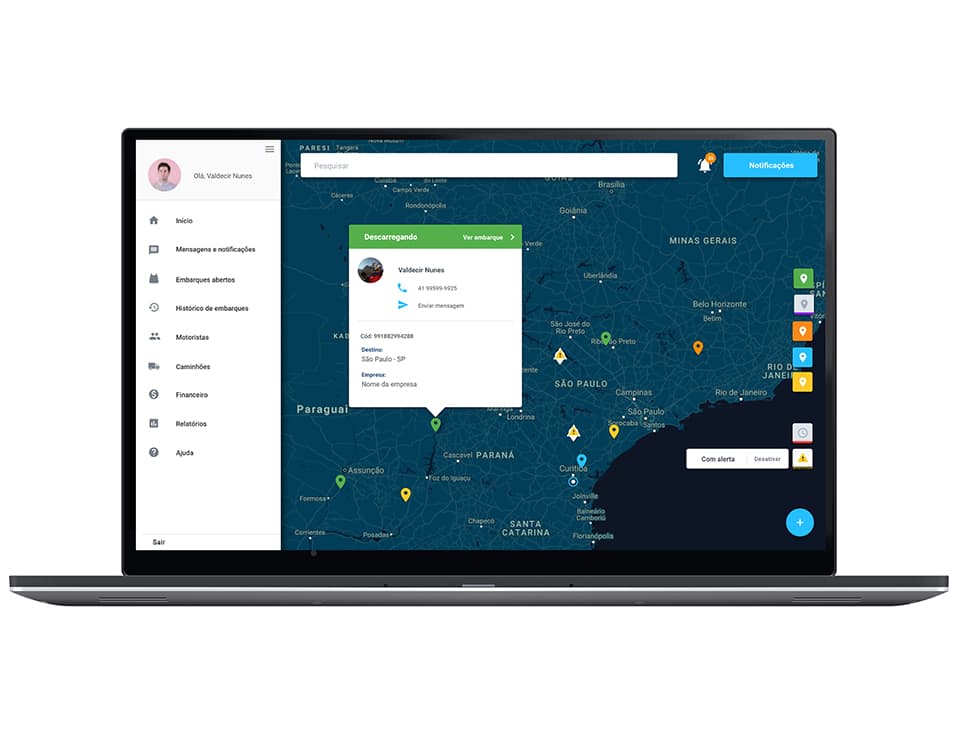
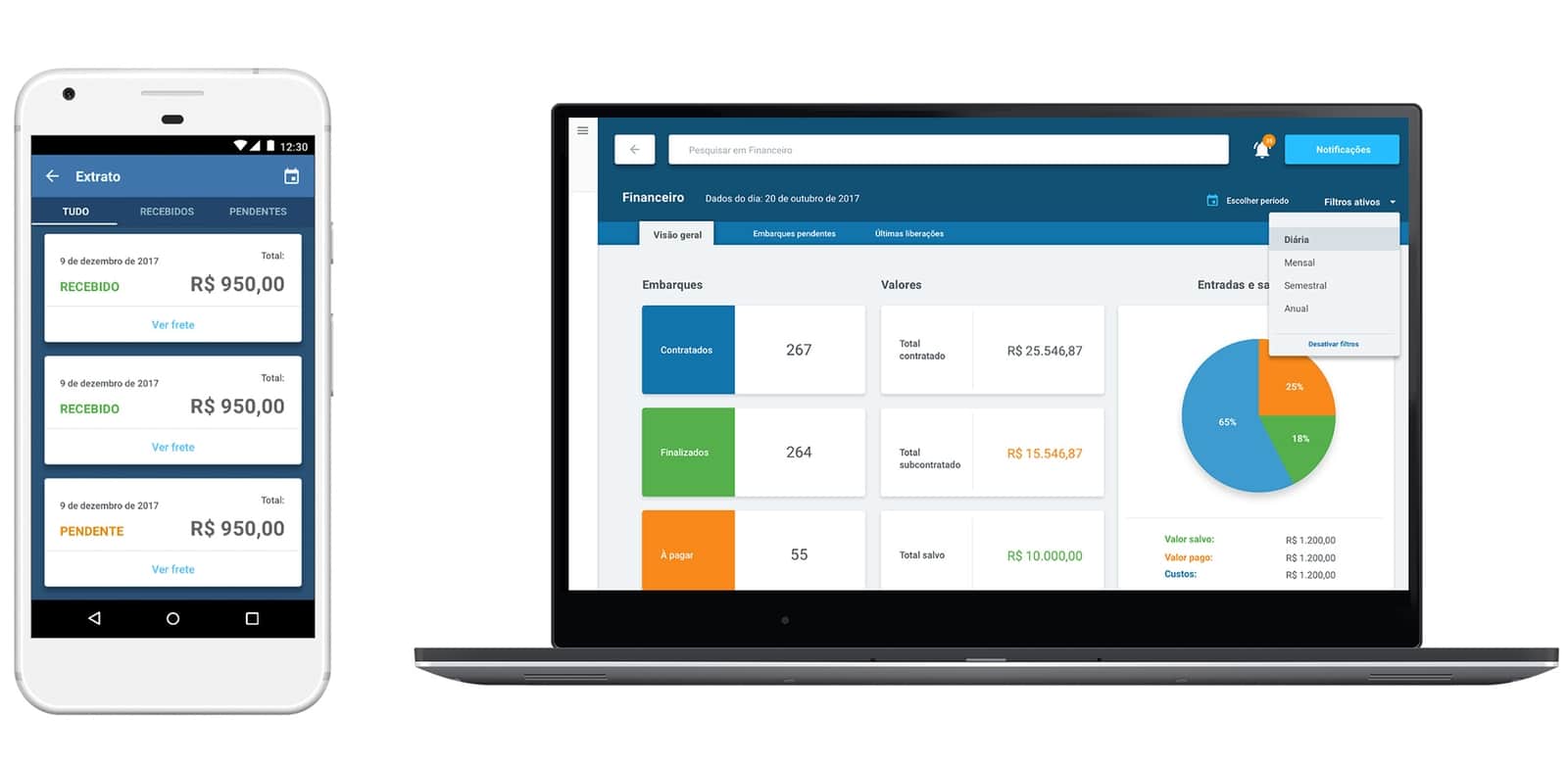
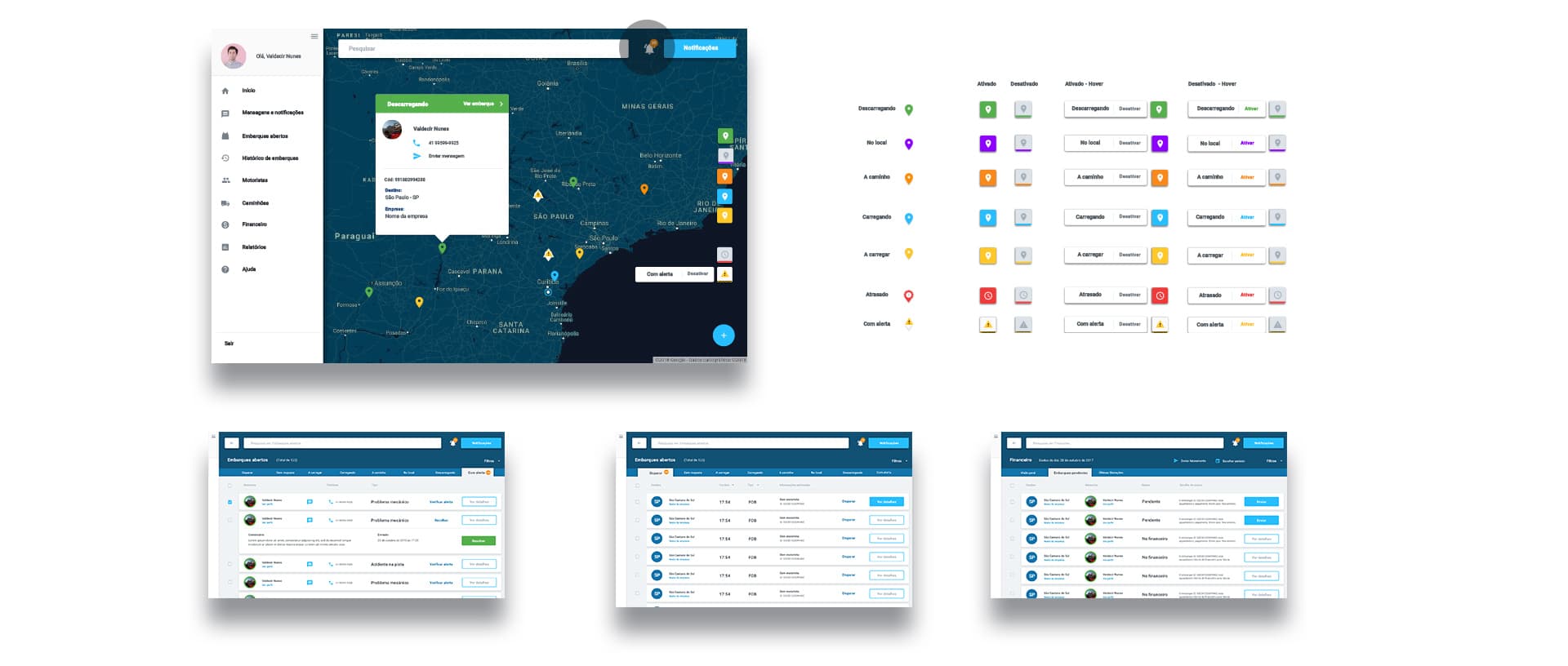
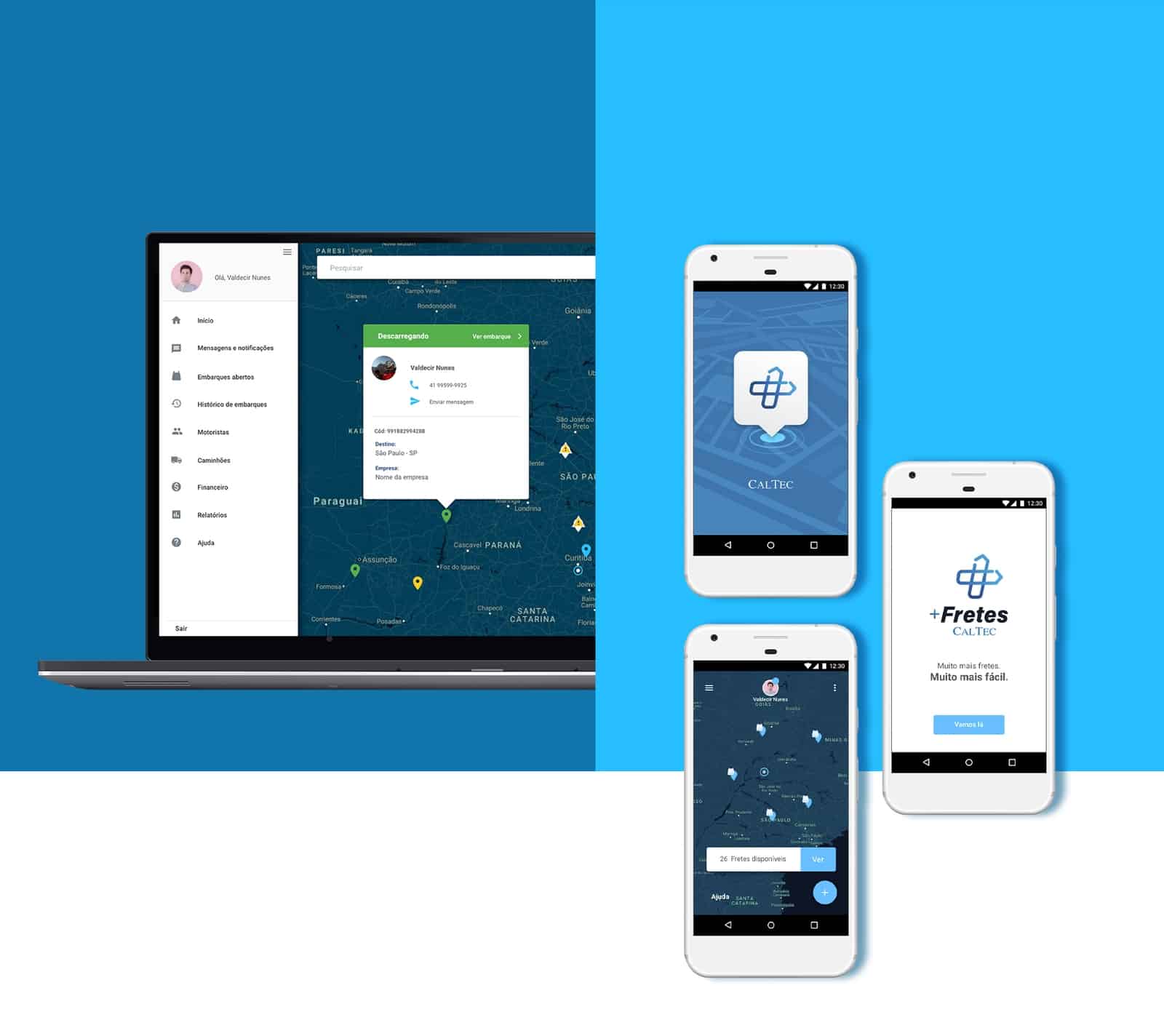
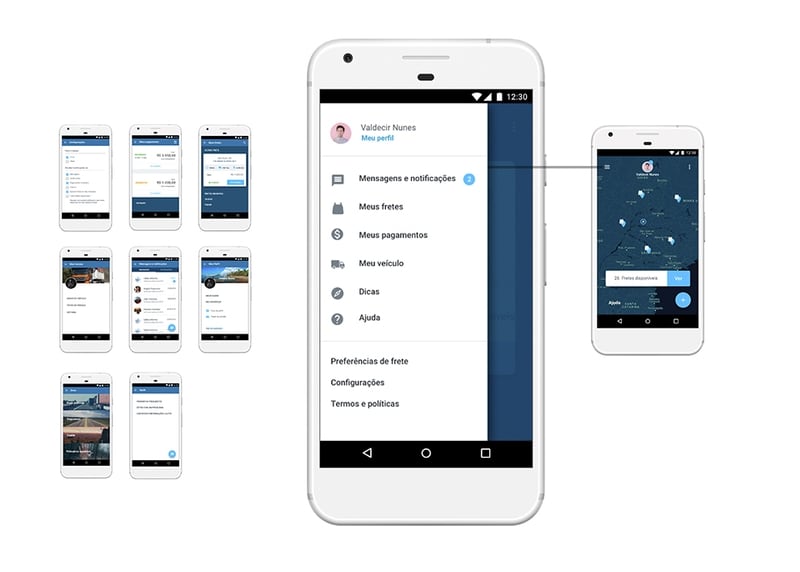
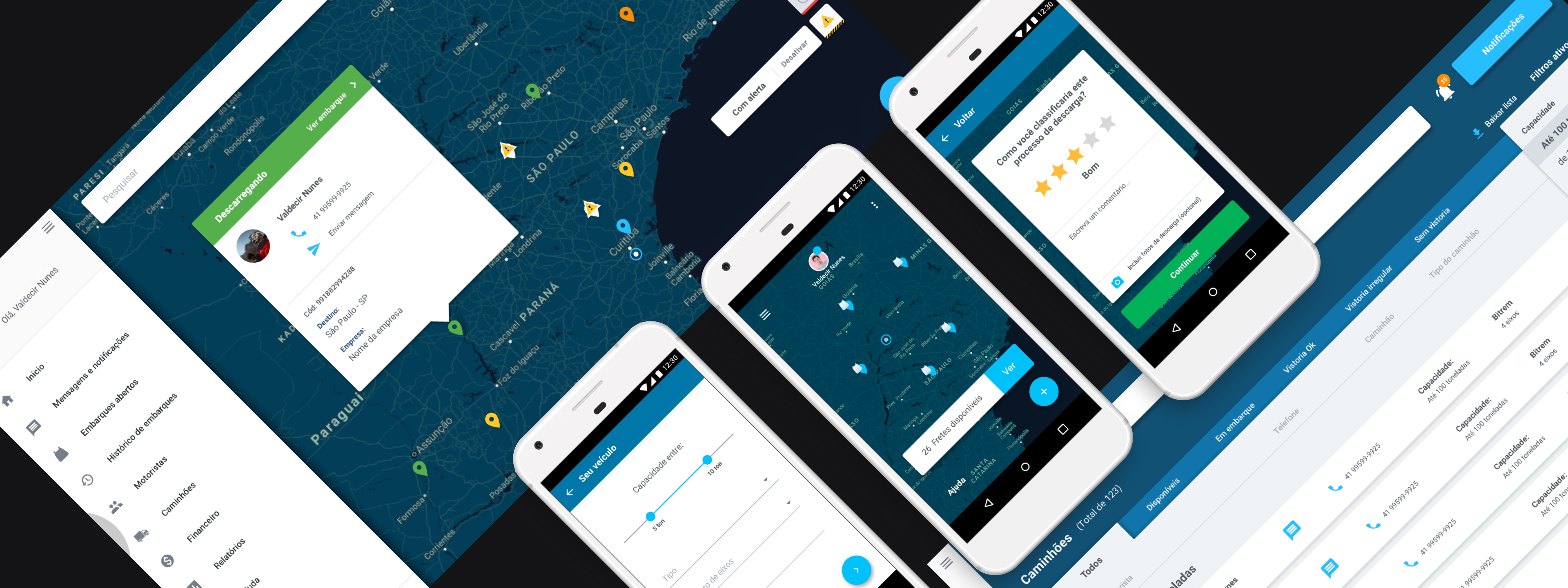
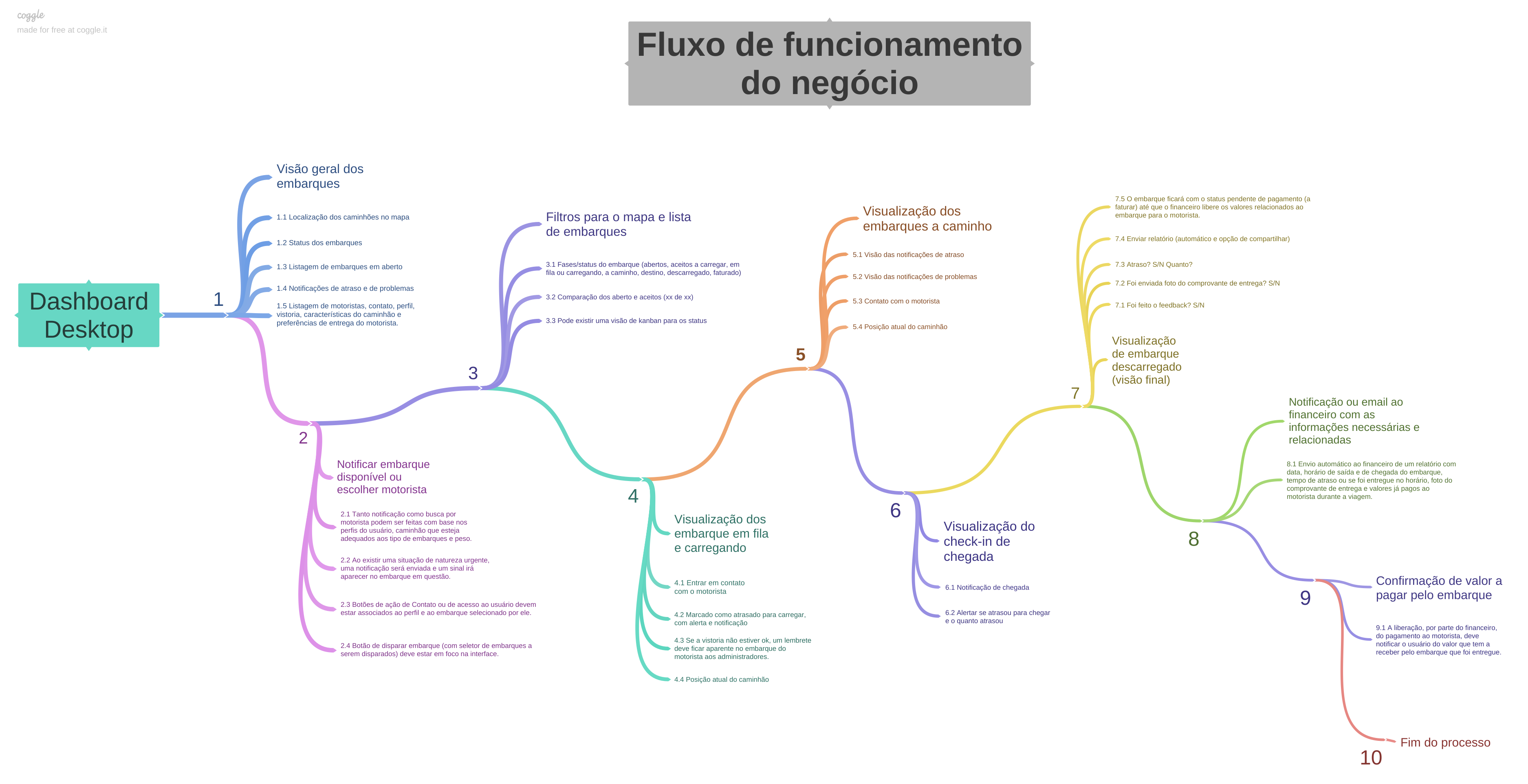
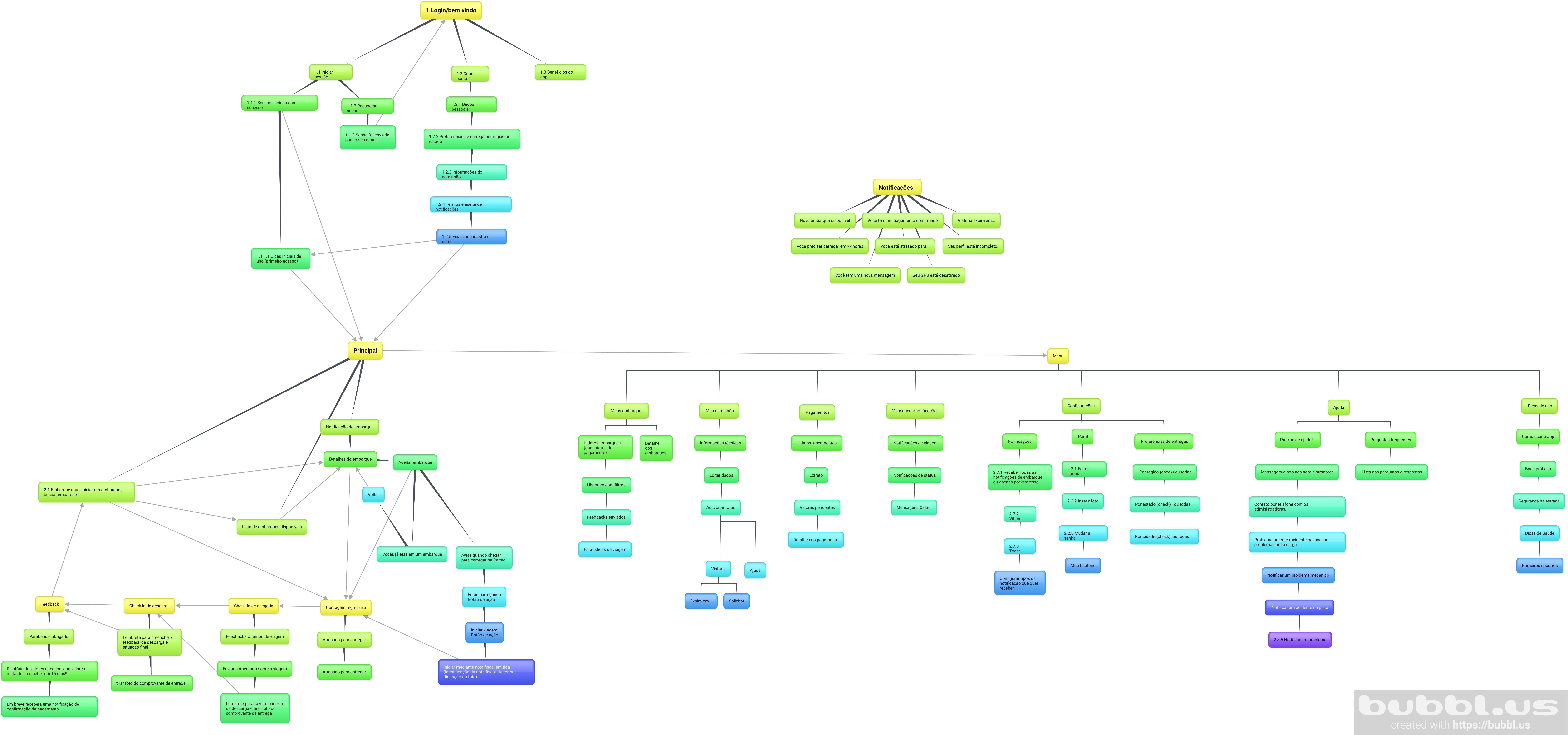
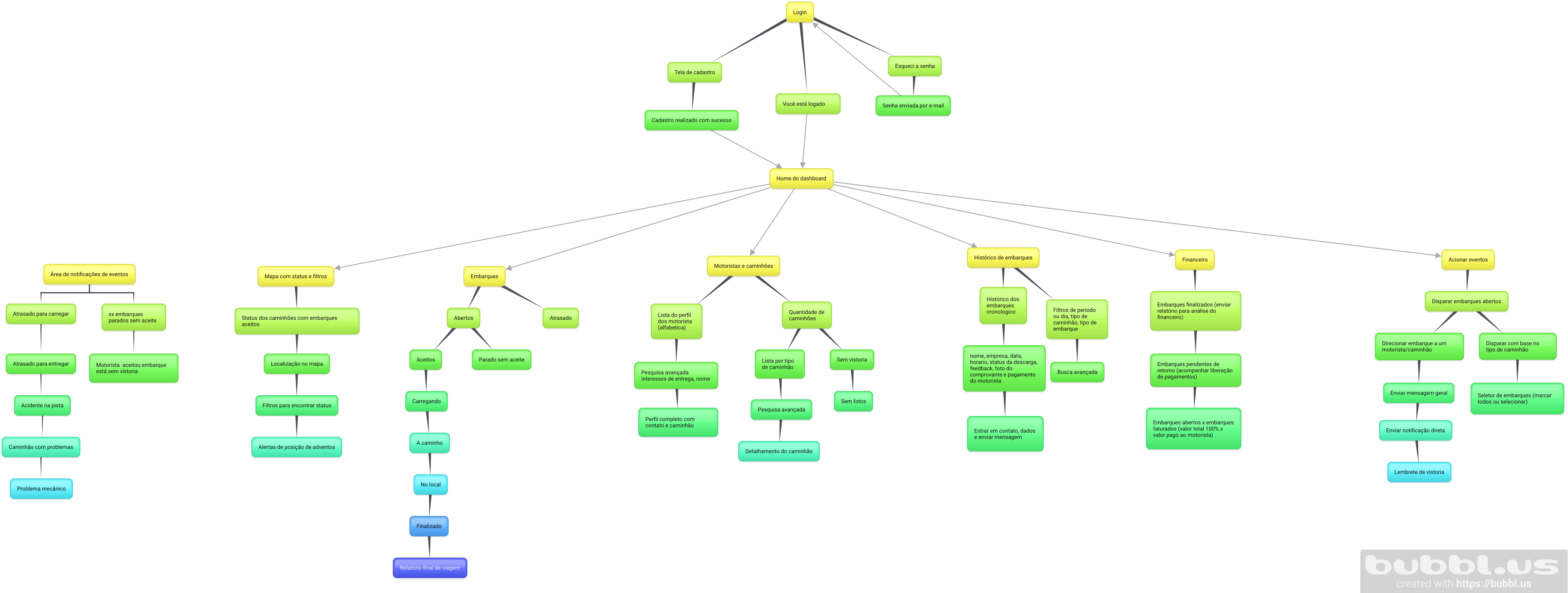
Qualitative and quantitative research with drivers, service mapping with stakeholders, and design of an ecosystem with three fronts: a mobile app for drivers, a dashboard for managers, and a dashboard for clients.
Result
A complete digital ecosystem delivered (mobile app, two web dashboards and a driver reward system), transforming logistics management and positioning Caltec as a benchmark for innovation in the sector.

Role

I led product design for the mobile app and the web applications, covering experience and interface, from kick-off and initial research through to the final interfaces and validation. I worked across research with drivers and managers, service mapping with stakeholders, information architecture, wireframes, product visual identity and prototyping. Three products at once: mobile app, admin dashboard and client feedback dashboard.

Strategy

The clash was between the scale of the operation and the total absence of information infrastructure: a logistics business with 80 years of history run entirely through informal channels. Communication with drivers happened with no record, freight status was invisible to managers and clients, and nothing guaranteed the correct procedure was followed. Just trust and improvisation.

A tracking app would only solve the tip of the problem. The real scope was redesigning the entire logistics service as a system: clear information flows between drivers, internal managers and end clients, and incentives that aligned driver behavior with company goals.

Process

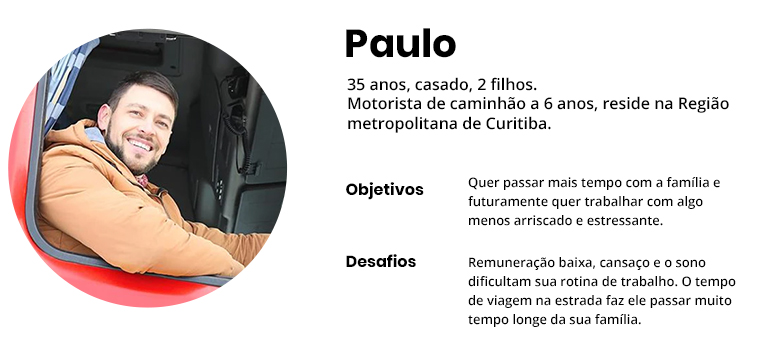
I worked with Lean UX, in short cycles of design and validation together with Caltec’s stakeholders. I started by immersing in the real context of drivers (who they are, how they work, what pressures and needs they have) before any product decision.

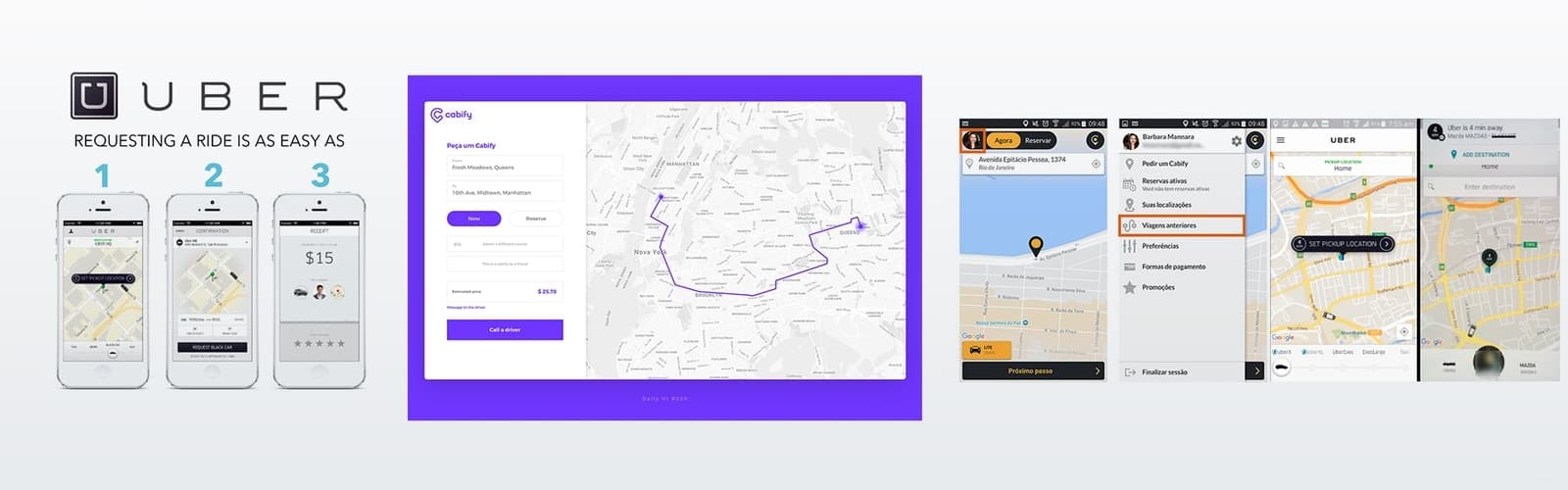
Service mapping was done together with the company’s stakeholders, identifying features essential to the solution’s efficiency. Benchmarking similar apps (direct competitors like TruckPad, Sontra and FreteBras; indirect ones like Uber and 99Taxi) guided interface pattern decisions.

  • Driver research
  • Service mapping
  • App benchmarking
  • Lean UX

Diagnosis

Solution

Impact

  • Integrated ecosystem

    Mobile app, management dashboard and client dashboard, with information shared in real time across all three profiles. Before the project, these flows didn’t exist at all.

  • Communication channel

    Drivers gained a formal channel to report unexpected events. Dependence on informal channels ended, and events throughout shipments started being recorded.

  • Strategic positioning

    The project positioned Caltec as a company investing in technology and innovation, a real differentiator in a market where logistics management is still almost entirely analog.

Reflection

What this project actually was

The deliverable was a mobile app, but the problem called for service design. The app was the most visible layer of a bigger effort: mapping how information needed to flow between drivers, managers and clients for the whole system to work. Immersion in the drivers’ context is what made the product relevant. The research pointed to a very specific use, one that called for an objective interface, direct communication, and screens that hold up under difficult conditions. Without that diagnosis, the product would have come out generic.

What remained afterward

Mapping information flows between all actors before designing any interface became part of how I approach projects with multiple user profiles. When a product serves B2B and B2C at the same time, looking only at each profile’s interface isn’t enough: you can get it badly wrong without understanding the entire value chain. The mapping method that stuck pays off more over time than the screens I delivered back then.

What I’d do differently

I’d define success metrics right at the start of the diagnosis, even if only estimated. The lack of clear KPIs got in the way of properly evaluating the product’s real impact after launch. When a client has no metrics culture, helping define what to measure is also a design decision, and it should be part of Discovery from day one.

Let's work together?

Available for full-time · remote · freelance

Open to new projects, opportunities and conversations.