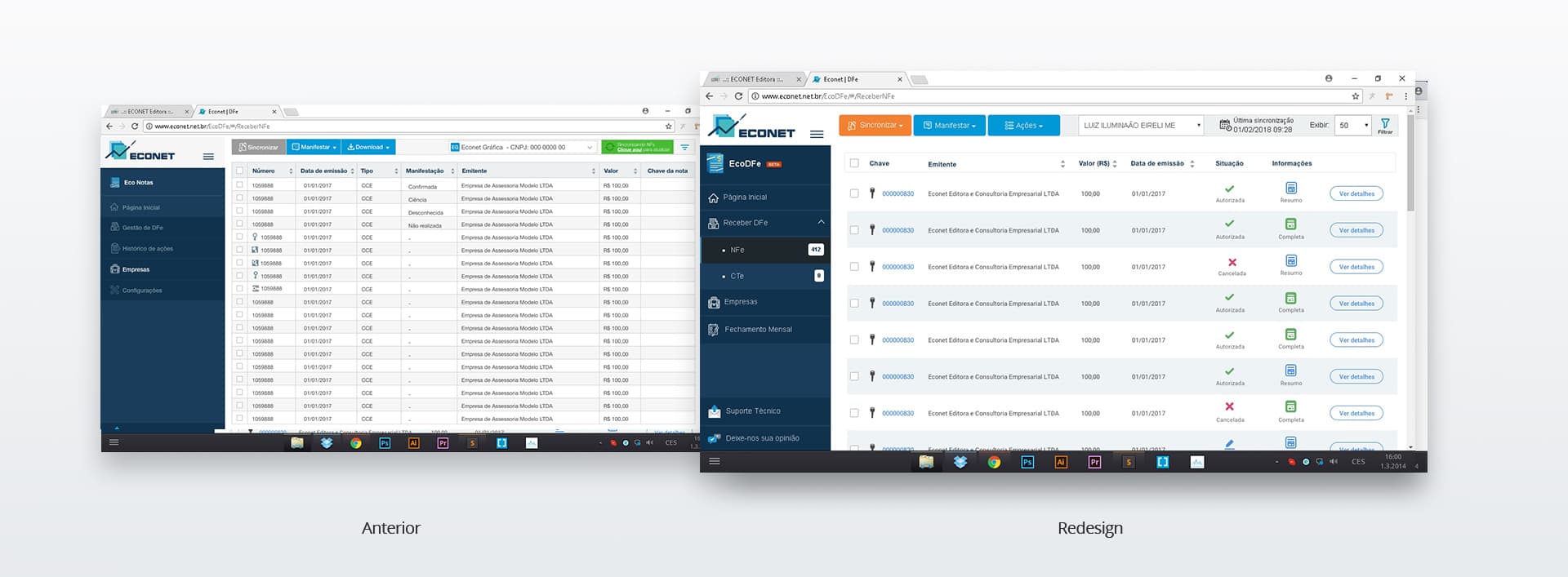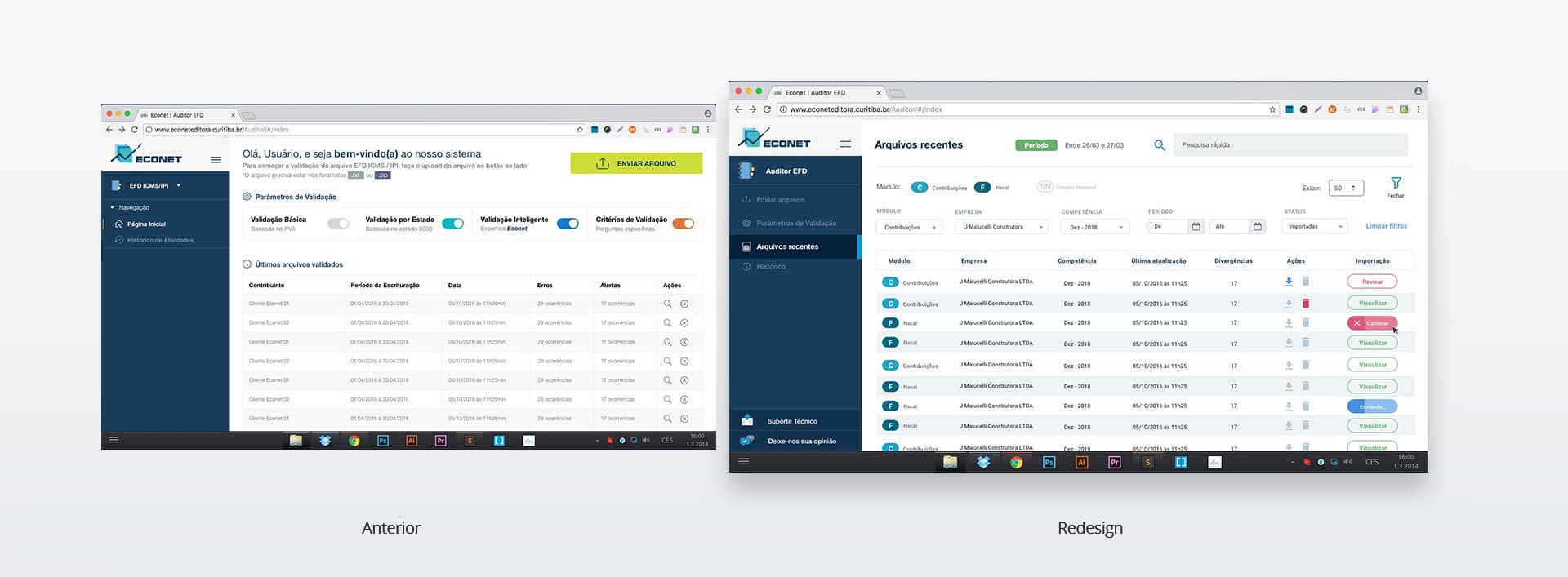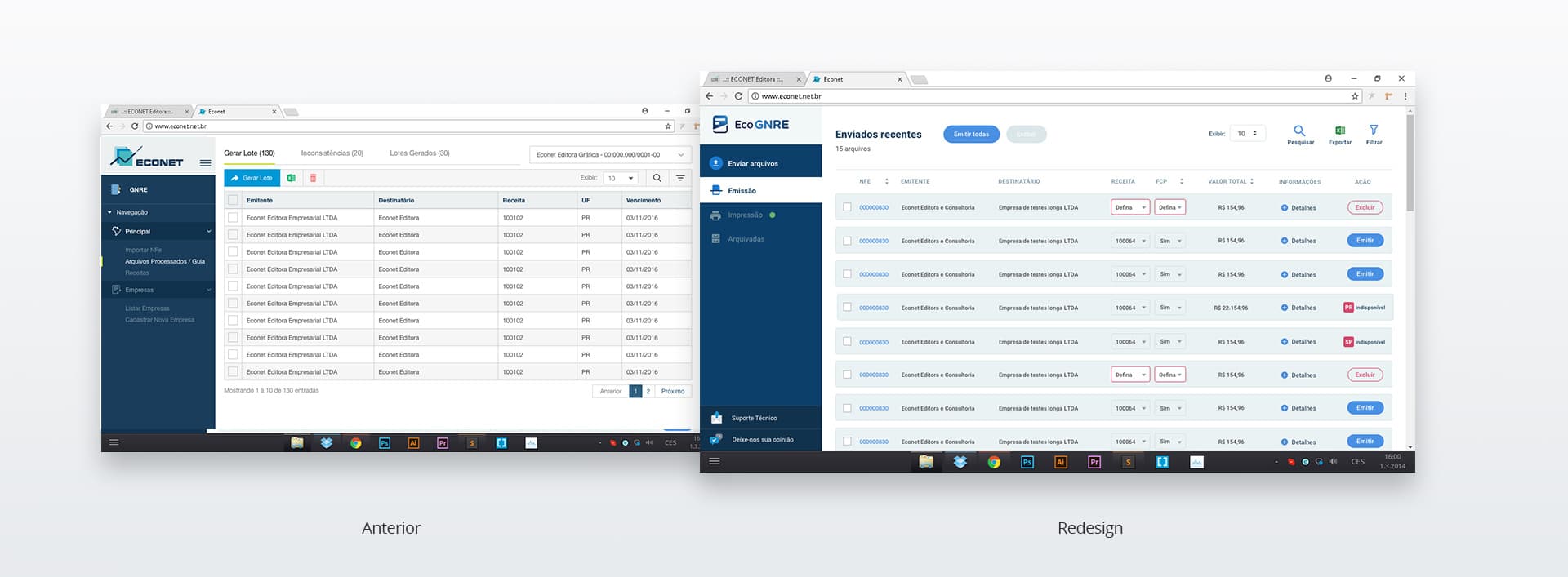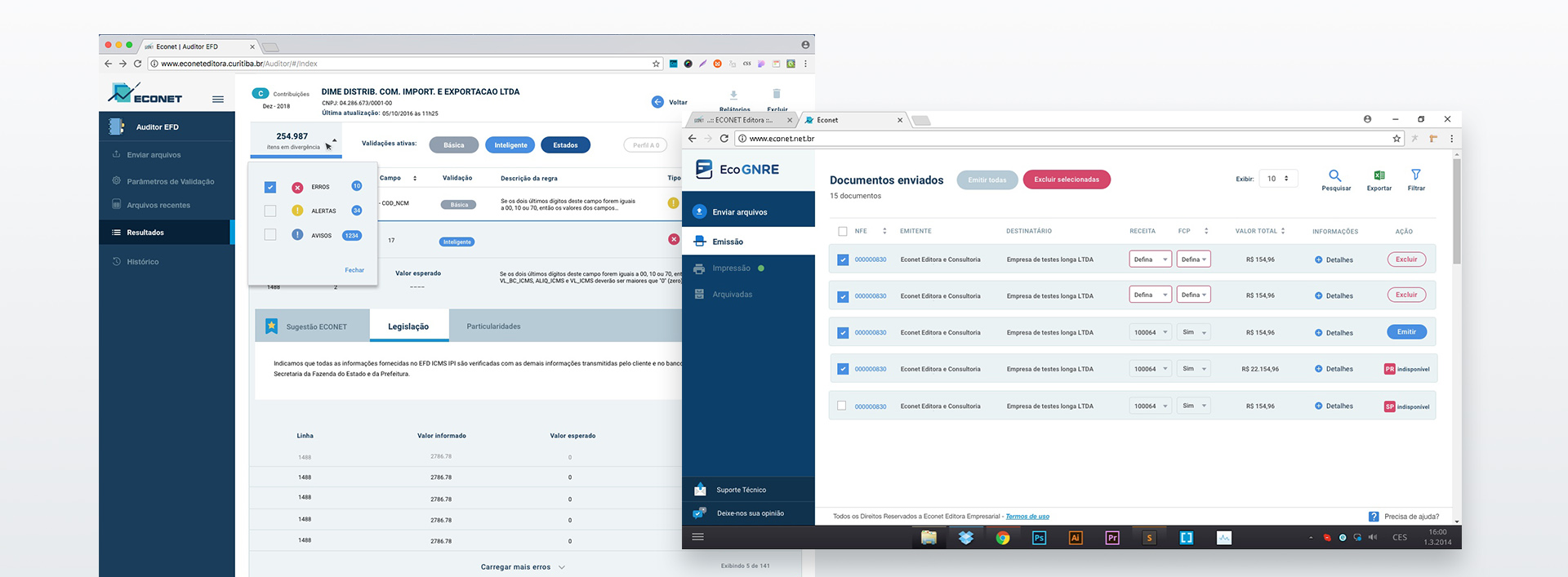

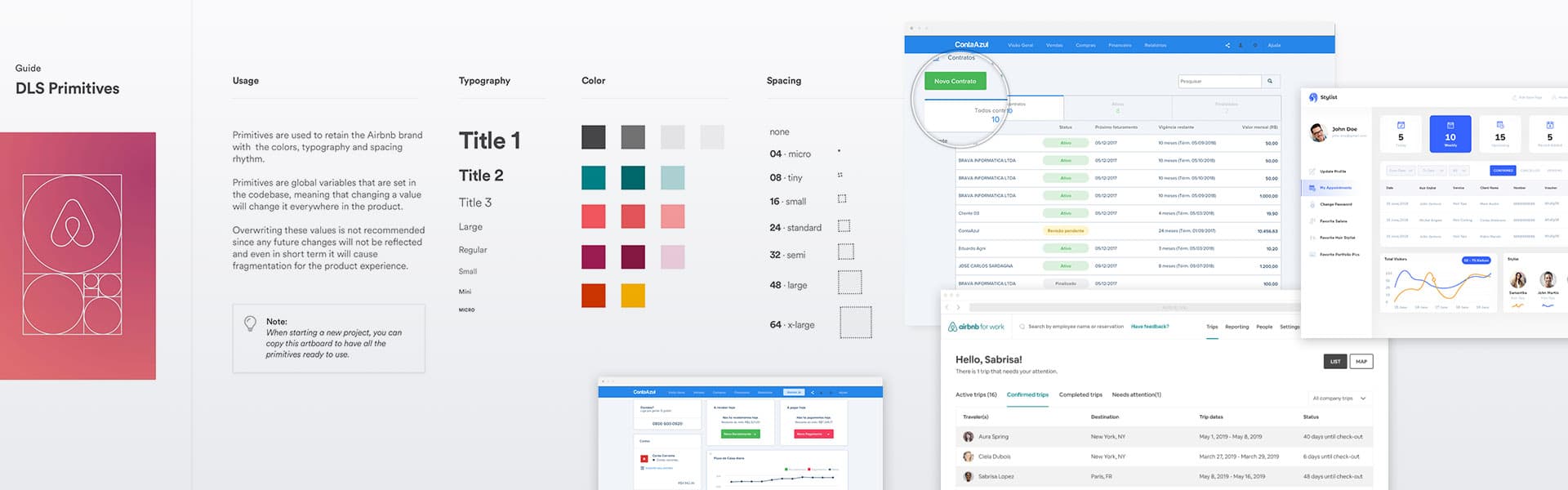
Products Unification — imagem de capa

Econet Editora · 2018

Optimizing the experience of tax and fiscal solutions: product renewal, unified identity and design system

  • Design System
  • UX/UI
  • Tax
  • Branding
  • Lean UX
Context
Econet Editora is a national reference in legal, tax, fiscal, accounting and labor information, with over 20 years in the market and an ever-evolving ecosystem of digital products.
Problem
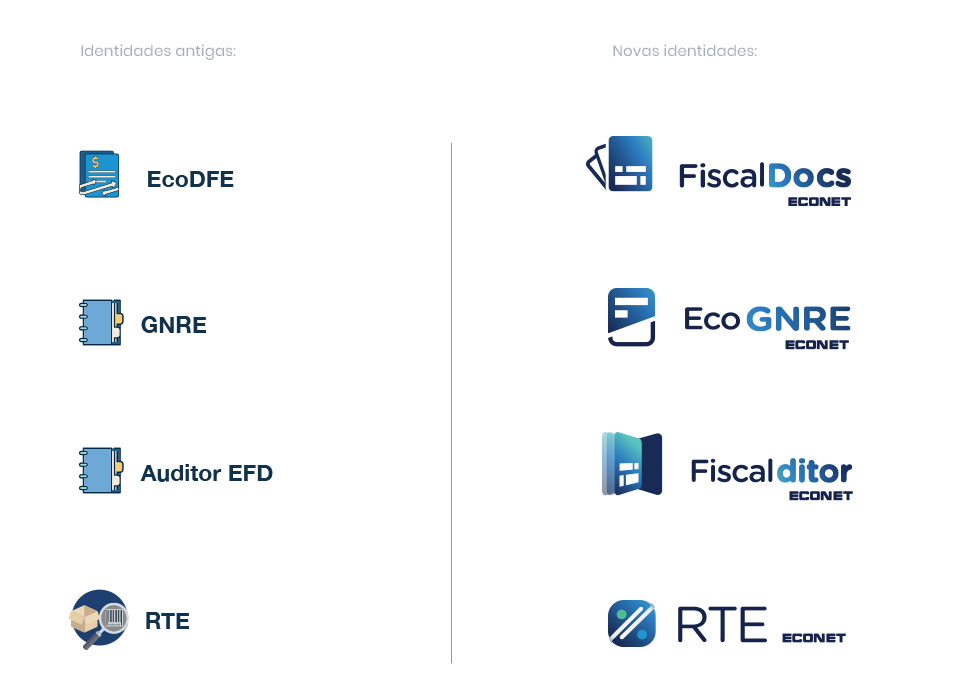
Products at different maturity stages (including MVPs) with no unified visual identity, inconsistent flows and experiences that didn't reflect the company's positioning as an industry reference.
Approach
User-centered design applied to the redesign and modernization of the products, starting from proto-personas and market benchmarking to unify visual standards, language and flows.
Result
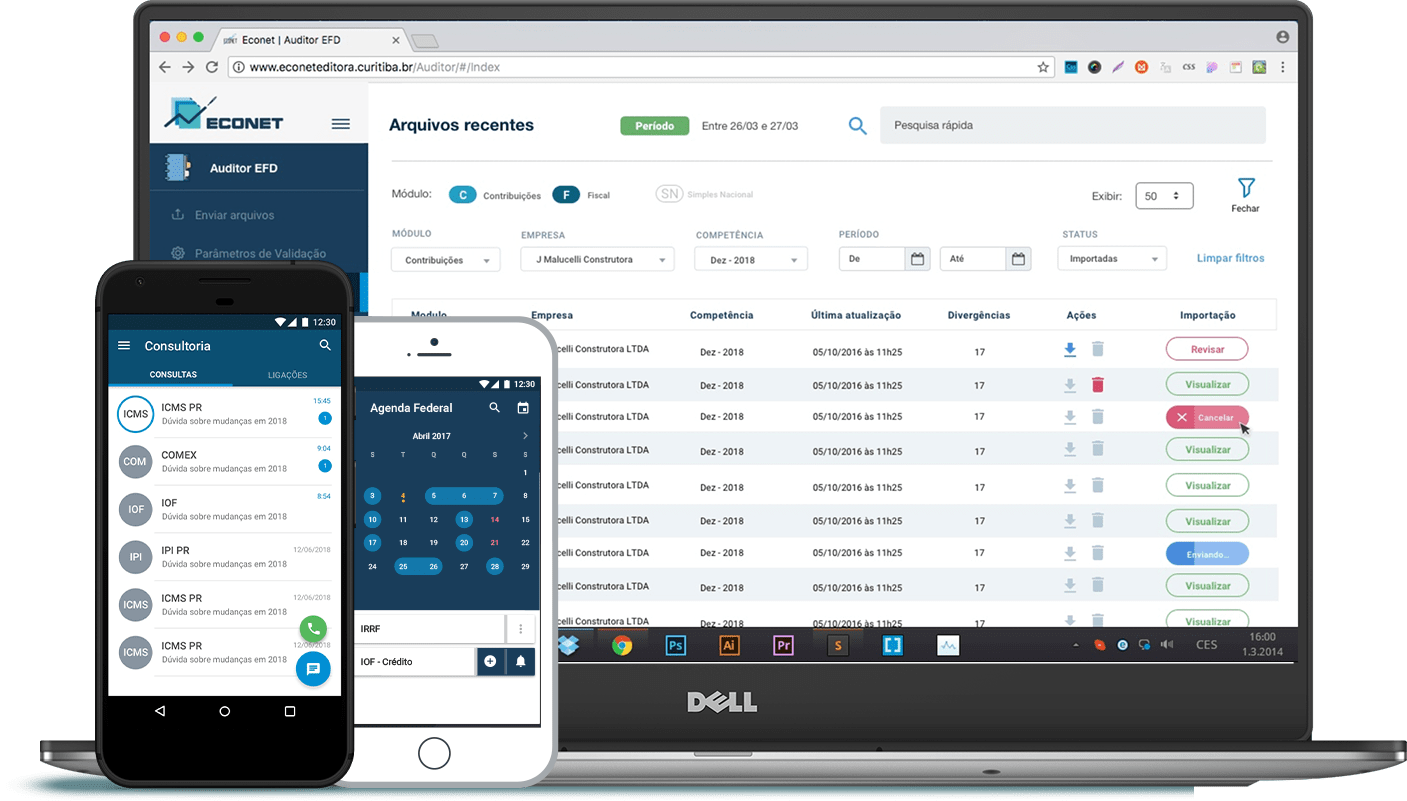
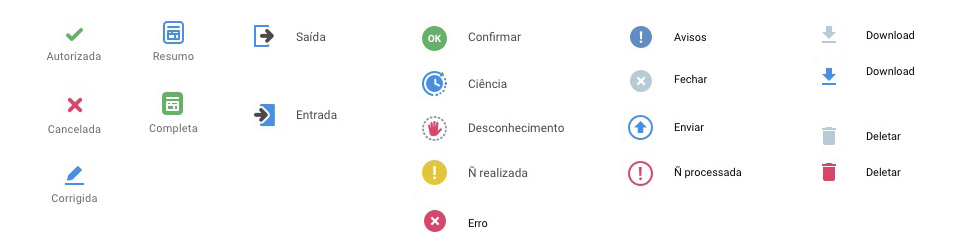
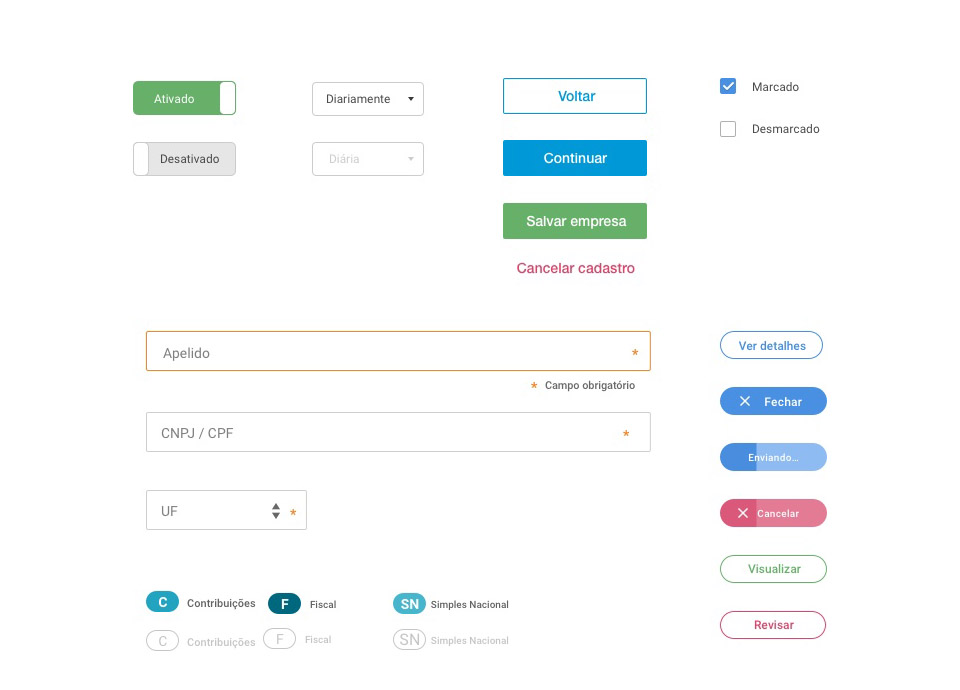
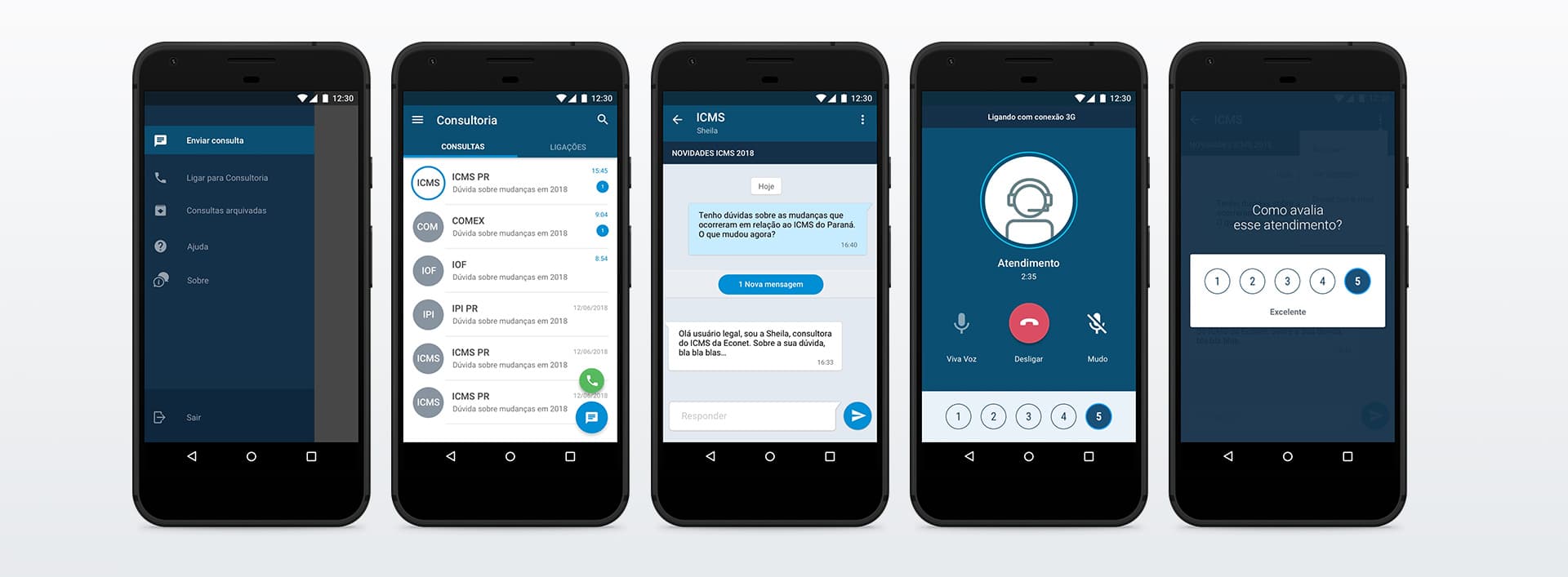
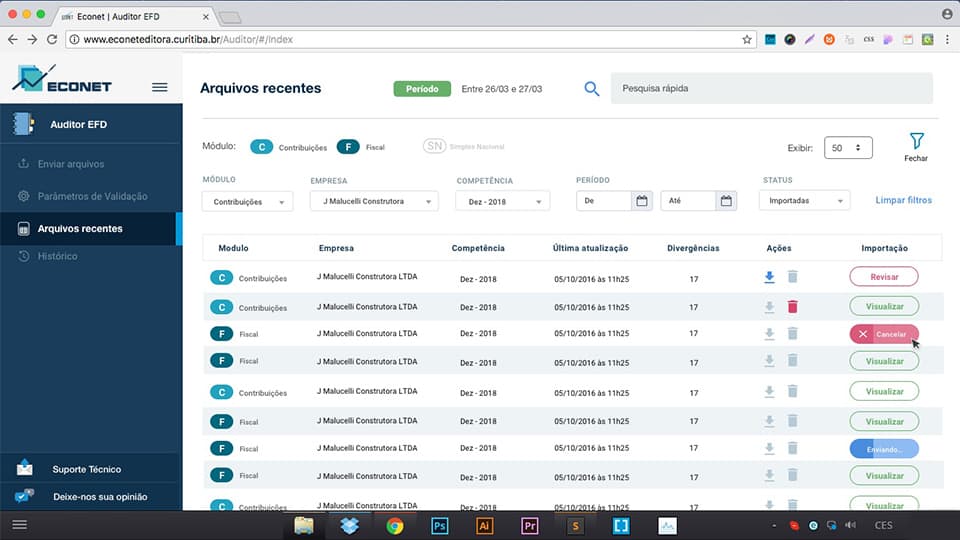
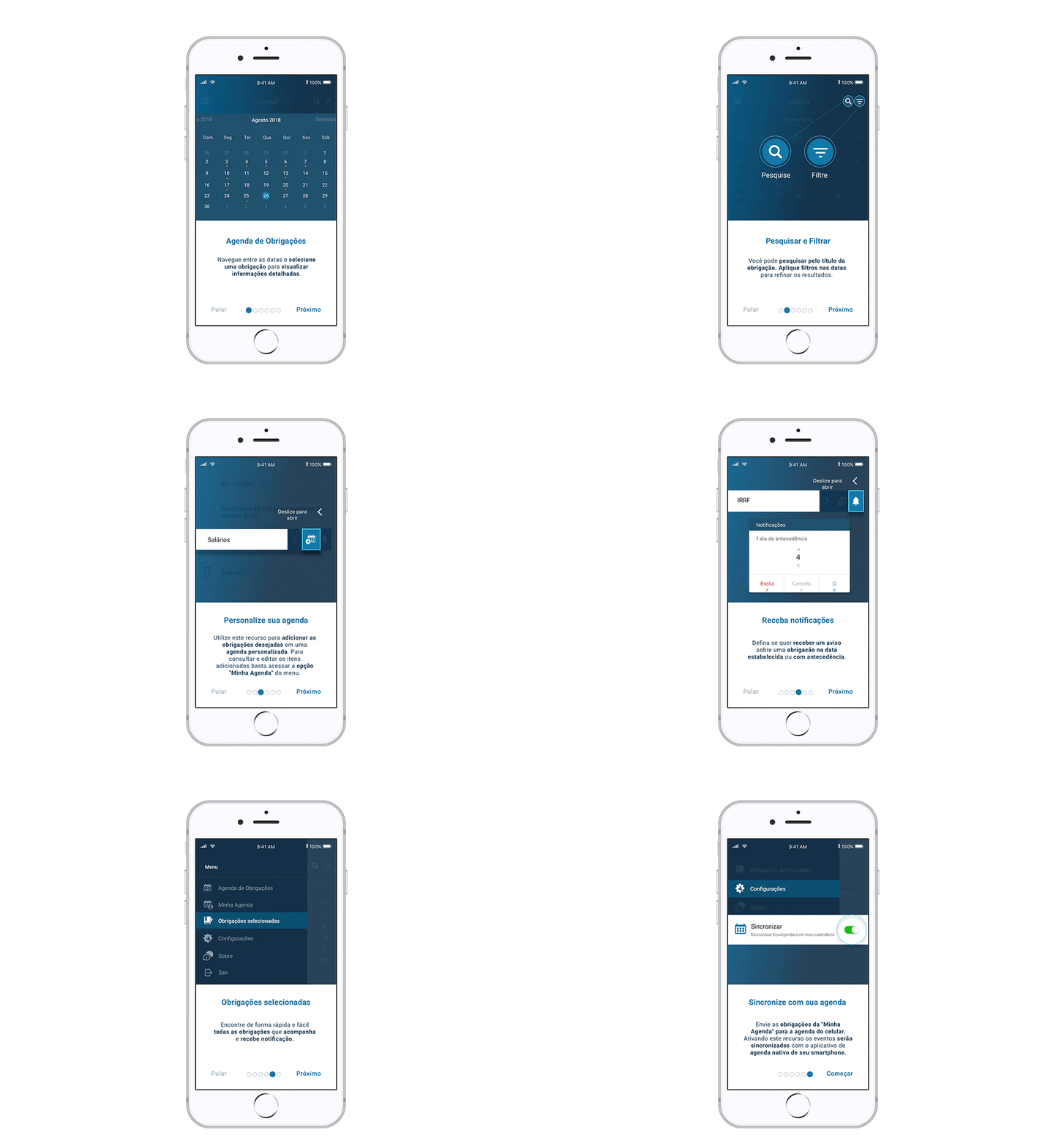
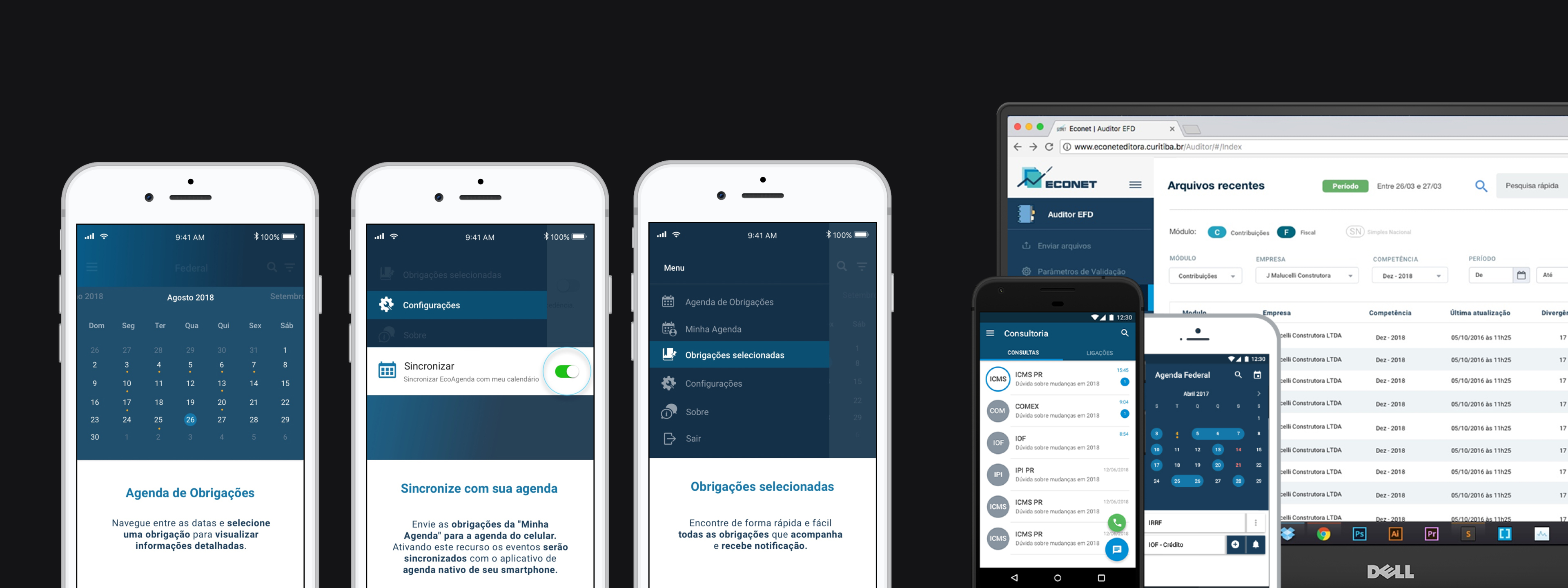
Product ecosystem with unified identity, a design pattern established as the base for new development, and modernized interfaces focused on reducing cognitive effort.

Role

I worked as a Product Designer supporting the product teams (Product Owners, development and project management) in optimizing interfaces and renewing the identity of Econet’s digital products. The role combined user-centered design with execution under Lean UX methodology, covering everything from research and benchmarking to creating the design pattern, redesigning existing products, and specifying microinteractions.

Strategy

The tension was between scale and coherence: a digital product ecosystem that had grown without a shared visual or experience standard. Different visual identities, inconsistent flows and communication without a unified voice fragmented brand perception and created unnecessary cognitive effort for users moving between tools.

The challenge was to modernize and unify what already existed, without starting from scratch. Econet already had a strong market reference in the tax and fiscal domain; what was missing was a design foundation to make that show from the outside. The solution called for a systemic approach, rather than a sequence of isolated redesigns.

Process

The approach was structured around Lean UX, with short design-and-validation cycles in close collaboration with the product and development teams. The starting point was immersion in the domain: understanding tax and fiscal complexity and how it translates into the real needs of the tools’ users.

Proto-personas built from the behaviors and opinions of customers close to the internal teams guided design decisions. Market benchmarking identified references both within the niche and in design-system methodologies applied by technology companies.

  • Behavioral proto-personas
  • Design system benchmarking
  • Lean UX
  • Cross-team collaboration

Diagnosis

Solution

Impact

  • Systemic consistency

    Unifying the design system established a foundation to launch new products with coherent identity, without rebuilding patterns from scratch for every initiative.

  • Less rework

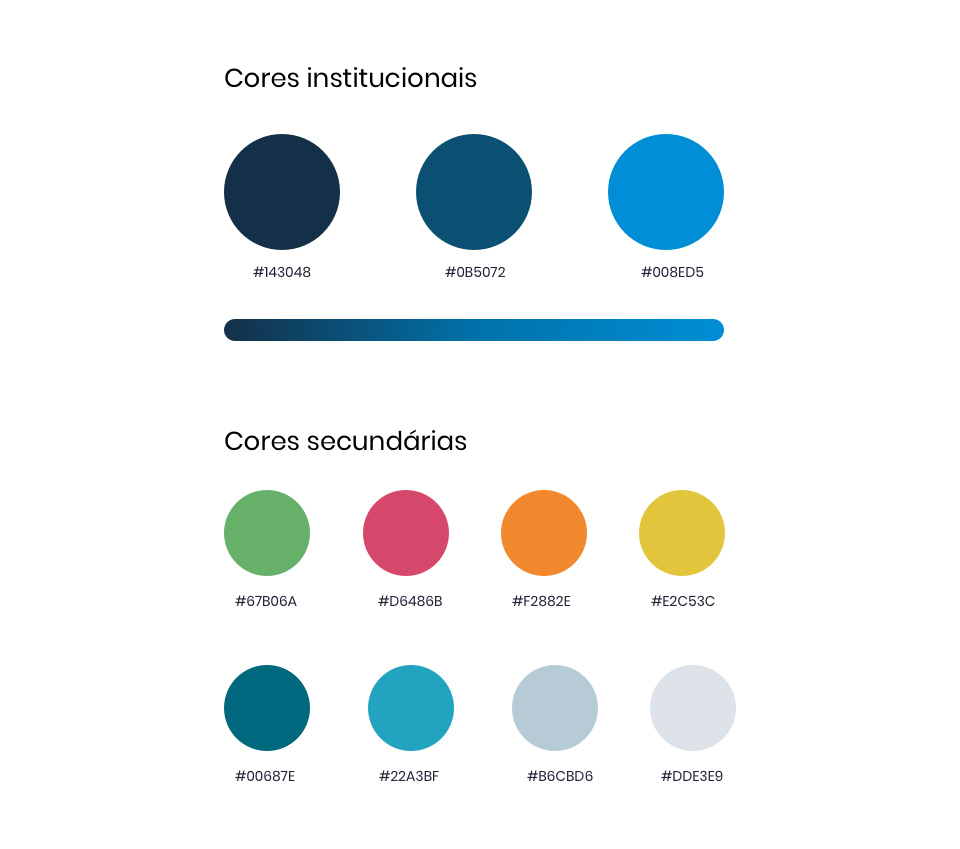
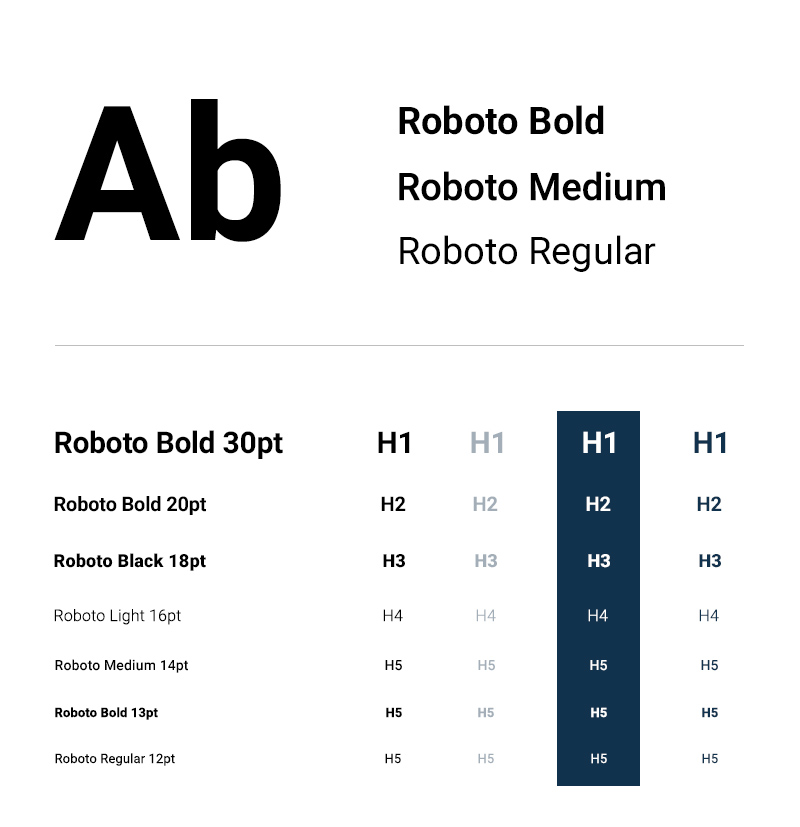
    A shared design pattern reduced redundant decisions across teams, both in maintaining existing products and in developing new features.

  • Reinforced positioning

    Modernized interfaces with a unified visual language reinforced Econet’s positioning as a company that invests in technology and design to deliver high-quality solutions in the tax domain.

Reflection

What this project actually was

It started as a redesign and quickly became a systematization problem. Most of the value didn’t come from the screens modernized one by one, but from the design infrastructure (reusable patterns, palettes, components) that sustained consistency over the long run. The tax and fiscal domain demanded deep immersion: translating dense technical requirements into accessible interfaces without oversimplifying. The margin between clarity and loss of precision was narrow, and every decision had to justify itself within that tension.

What remained afterward

The design pattern started here was the longest-lasting contribution. It standardized what already existed and, more than that, created a language that later designers and developers could use without rebuilding decisions already made. The reusable pattern kept paying off long after the screens from that period had already been replaced.

What I’d do differently

I’d build the design system more modularly, prioritizing the most frequently used components in the more mature products before expanding to products at MVP stage. I’d also formalize the “done” criteria for each pattern earlier, reducing ambiguity during handoff.

Let's work together?

Available for full-time · remote · freelance

Open to new projects, opportunities and conversations.